How Cloud Computing Is Transforming the World
Explore how cloud computing reshapes businesses, fuels innovation, and changes everyday life through scalable, on‑demand services.
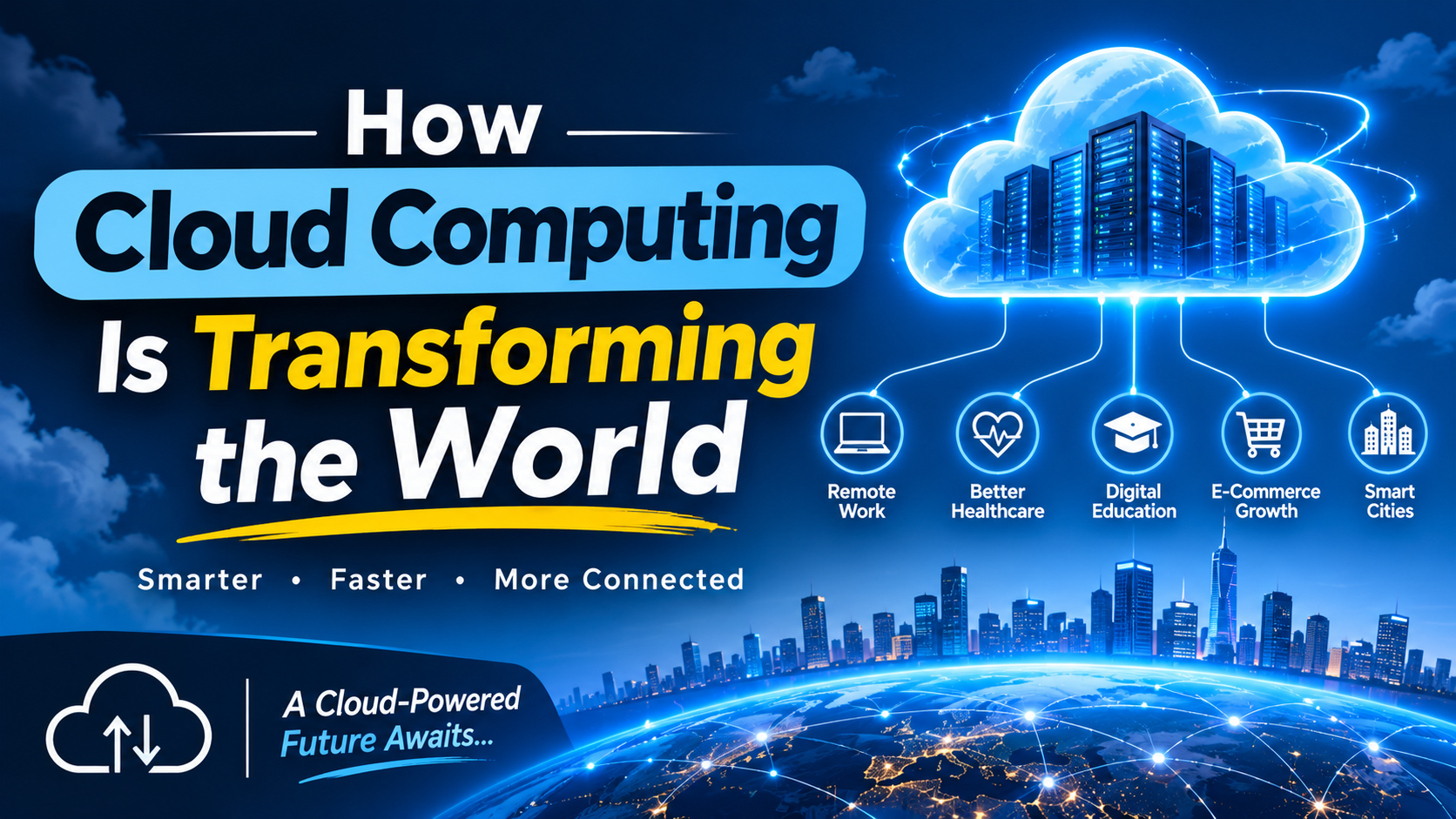
Cloud computing has moved from a niche technology to the backbone of modern digital services. By delivering computing resources over the internet, it enables organizations and individuals to access powerful infrastructure without the upfront costs of owning hardware.
Scalable Infrastructure for Businesses
Enterprises can scale resources up or down in real time, matching demand spikes such as holiday sales or product launches.
Cost Efficiency
Pay‑as‑you‑go pricing eliminates the need for large capital expenditures, turning IT spend into an operational expense that aligns with actual usage.
Global Reach
Major cloud providers operate data centers in dozens of regions, allowing applications to run close to end‑users and meet local compliance requirements.
Accelerating Innovation and Development
The cloud supplies ready‑made services that accelerate product development, from serverless functions to managed databases.
DevOps and Continuous Delivery
Automation tools integrated with cloud platforms enable teams to deploy code multiple times a day, reducing time‑to‑market.
AI and Big Data Services
Machine‑learning APIs, data‑lake storage, and high‑performance compute clusters are available on demand, letting companies experiment without building their own infrastructure.
Impact on Everyday Life
Consumers benefit from cloud‑enabled experiences that were impossible a decade ago.
Streaming services deliver high‑definition video to millions of viewers simultaneously.
Collaboration tools such as video conferencing and shared document editors keep remote teams productive.
Smart‑home devices rely on cloud back‑ends to process voice commands and automate routines.
Challenges and Considerations
Despite its advantages, cloud adoption introduces new responsibilities.
Data security and privacy require robust encryption and strict access controls.
Vendor lock‑in can limit flexibility; multi‑cloud strategies help mitigate this risk.
Understanding complex pricing models is essential to avoid unexpected costs.
Looking Ahead: The Future of Cloud
Edge computing, serverless architectures, and quantum‑ready services are emerging trends that will extend cloud capabilities to new domains, from autonomous vehicles to personalized medicine.
In summary, cloud computing is not just a technological shift—it is a catalyst for economic growth, innovation, and everyday convenience. Organizations that embrace its potential while managing its challenges will shape the digital landscape of tomorrow.